
Data-driven groundskeeping for the Municipality of Utrecht
Utrecht wants to be a city where green spaces are vibrant, attractive and future-proof. Green spaces contribute to quality of life, biodiversity, water storage and cooling. These are themes that are becoming increasingly important in a growing city. To ensure this, the municipality wants to professionalise its groundskeeping: from traditional maintenance to sustainable, integrated and data-driven asset management of green spaces.
&flux has developed an approach in collaboration with the Municipality of Utrecht that provides insight into the current quality of the green space and the investment required to bring and maintain this green space up to standard.
Context
By organising maintenance and depreciation at the right level, the green areas will remain vital and future-proof for many years to come. Asset management starts with knowing where you stand. That is why the Zuidwest and Leidsche Rijn neighbourhoods have been inventoried in terms of quality, appearance and management status, among other things. This inventory shows the condition of the green spaces and what is needed to manage them properly in the coming years or to renovate them where necessary.
The aim of the study was to translate the collected data into a realistic and prioritised approach and cost estimate, enabling Utrecht to bring its green spaces up to standard and maintain them.
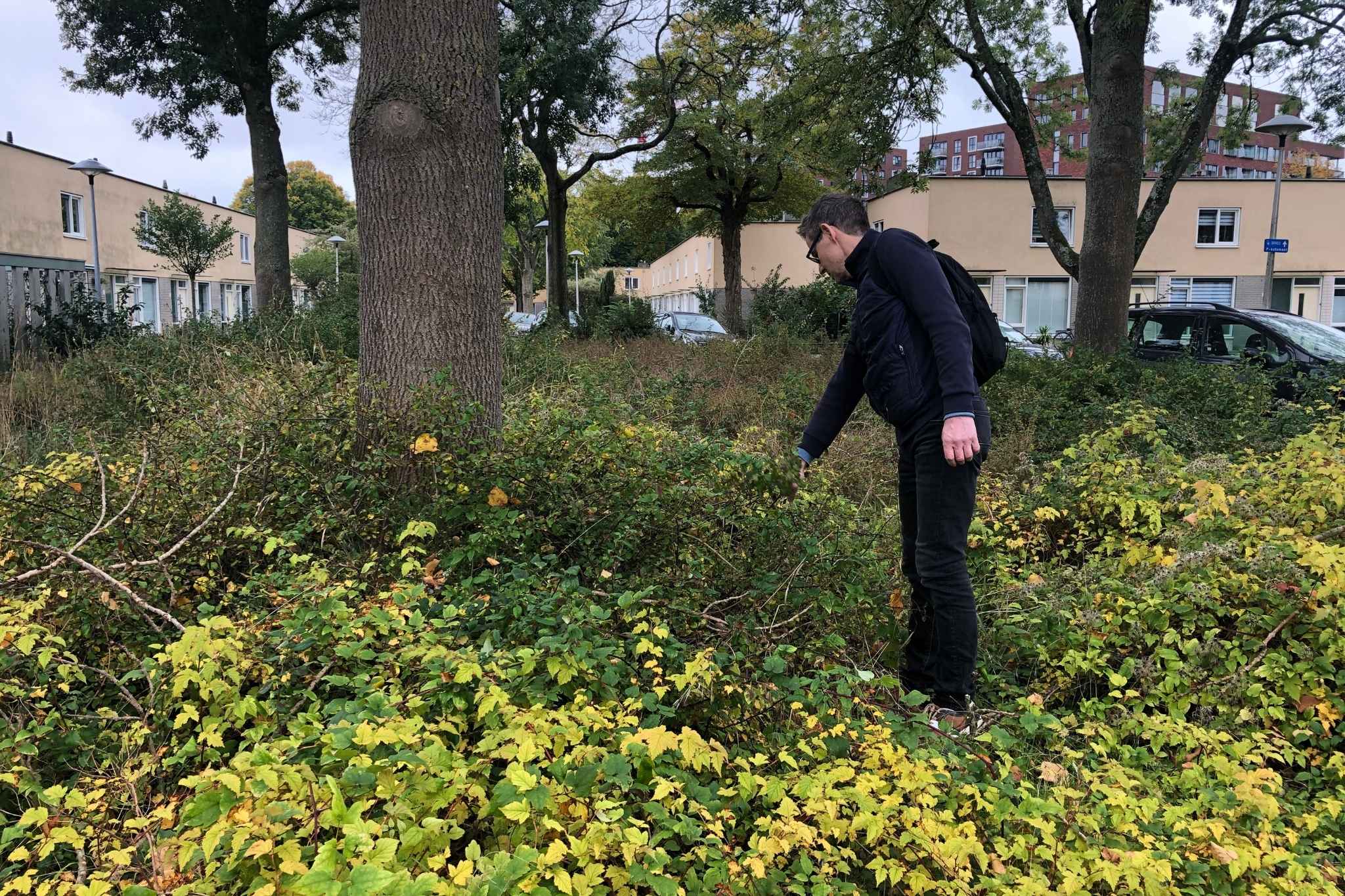
Our approach
Together with the local council, we have applied a structured, data-driven approach that provides insight and direction for policy, management and investment.
- Data analysis and interpretation
We analysed the inventory data: what stands out, what connections do we see, and where is intervention most urgent? Differences between neighbourhoods and management groups form the basis for a tailor-made approach. - Translation into strategy
The data has been translated into a management and renovation strategy. Differences between areas, usage pressure, resident management and species present have been taken into account. - Work packages and cost estimates
We drew up work packages for each management group, including correction factors for specific situations, such as areas with many trees. By linking the inventory to these packages, we were able to create a substantiated cost estimate, distinguishing between maintenance and replacement. - Extrapolation to the entire city
Based on the results in Kanaleneiland and Leidsche Rijn, we calculated the data, measures and costs for the entire city of Utrecht. Data-driven assumptions were made, supported by a field inventory. - Advice and prioritisation
We drew up recommendations for a phased and targeted start: where regular management needs to be improved, where resident management requires redevelopment and where large-scale renovation will have the greatest impact.
Results
This project provides the Municipality of Utrecht with:
- Insight into the current state of urban greenery in the pilot neighbourhoods.
- A tangible management and investment strategy with priorities and costs per neighbourhood.
- A scalable method for data-driven management of the quality and lifespan of greenery for the rest of the city.
- A basis for sustainable asset management, combining data, management and policy.
- This approach will enable Utrecht not only to better manage costs and quality, but above all to work towards a green, healthy and equal Utrecht.
